
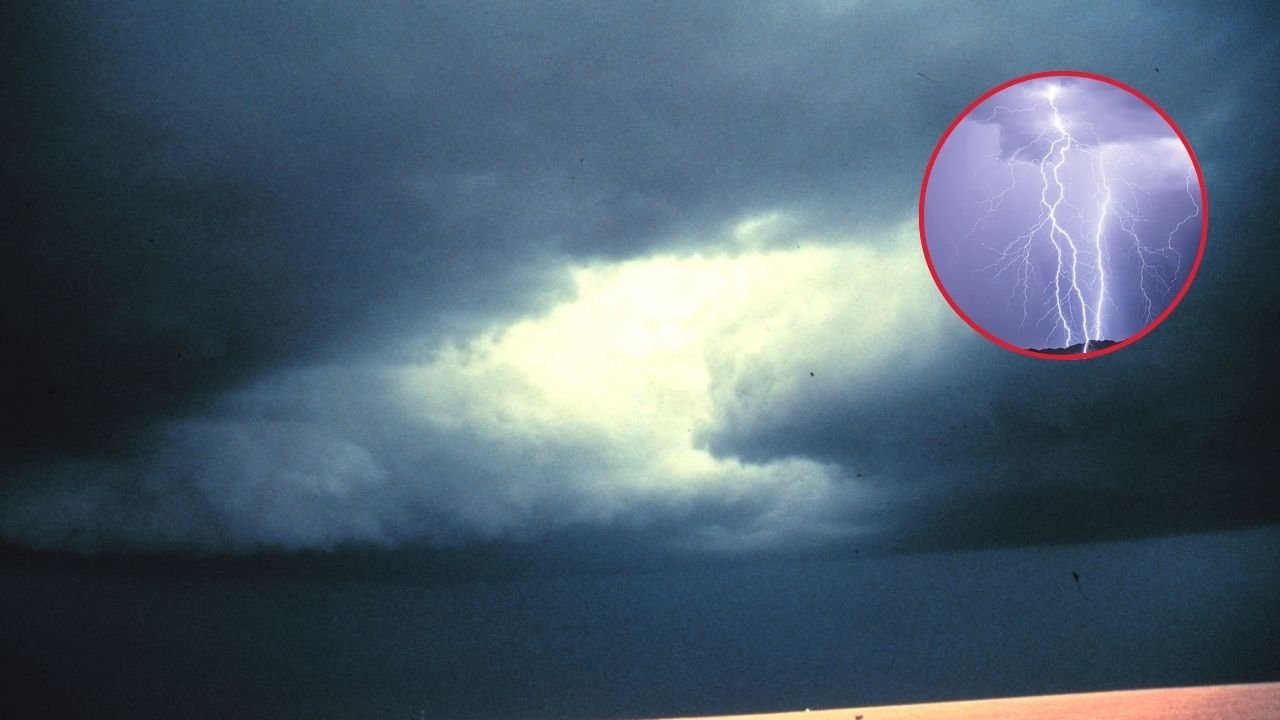
A severe thunderstorm warning has been issued across several regions as meteorologists track a powerful weather system capable of producing damaging winds, intense lightning, torrential rain, and possible hail. Residents in affected areas are being urged to stay alert as conditions may rapidly worsen over the next several hours.
Forecasters say the storm system developed quickly after warm, humid air collided with an incoming cold front, creating unstable atmospheric conditions favorable for severe weather. Emergency officials are warning people not to underestimate the danger, especially during nighttime storms when visibility drops and weather changes can happen with little notice.
Stick to the Facts
Add icode.net.au as a Preferred Source on Google to see more of our stories in your search results.

The warning comes during a period of increasingly unpredictable weather patterns that have already produced flooding, power outages, and transportation disruptions in several parts of the country this season.
What a Severe Thunderstorm Warning Means
A severe thunderstorm warning is more serious than a watch. A watch means conditions are favorable for storms to develop, while a warning means dangerous weather has already been detected either by radar or trained weather spotters.
Meteorologists generally issue a warning when storms are expected to produce wind gusts above 58 miles per hour, hail at least one inch in diameter, or heavy rainfall capable of causing flash flooding.
These storms can develop rapidly and often contain multiple threats at once. In many cases, the biggest danger comes not from tornadoes but from straight-line winds strong enough to knock down trees, damage roofs, and cut power to entire neighborhoods.
Officials say people should move indoors immediately once a warning is issued.
Heavy Rainfall Raises Flooding Concerns
One of the major concerns connected to the latest thunderstorm warning is flash flooding.
Forecasters say some areas could receive several inches of rain within a short period of time. Urban regions are especially vulnerable because pavement and concrete prevent water from draining naturally into the ground.
Low-lying streets, underpasses, parking areas, and small creeks may flood quickly. Drivers are being reminded not to attempt crossing water-covered roads, since even shallow moving water can sweep away vehicles.
Emergency responders often report that many storm-related rescues happen because people underestimate floodwater depth or speed.
Meteorologists also warn that saturated soil from earlier rainfall may increase the risk of falling trees once strong winds arrive.
Damaging Winds Could Cause Power Outages
Strong winds remain another major threat tied to severe thunderstorms.
Weather experts say some storm cells could produce wind gusts exceeding 70 miles per hour, which is powerful enough to cause structural damage, break large tree branches, and damage utility lines.
Power companies in several regions have already placed repair crews on standby in anticipation of outages. Residents are being encouraged to charge mobile devices, prepare flashlights, and avoid using candles during power failures due to fire risks.
Flying debris can also become dangerous during wind events. Outdoor furniture, trash bins, umbrellas, and lightweight decorations should be secured before storms arrive.
In previous severe thunderstorm events, widespread outages sometimes lasted for days because of fallen trees and damaged infrastructure.
Lightning Remains One of the Deadliest Risks
Although many people focus on wind and hail, lightning remains one of the most dangerous aspects of severe thunderstorms.
Every year, lightning strikes injure hundreds of people worldwide and can ignite fires, damage electronics, and create sudden medical emergencies.
Experts advise staying away from windows, plumbing fixtures, and electrical appliances during active storms. Outdoor activities should stop immediately once thunder is heard.
Meteorologists often repeat the phrase, “When thunder roars, go indoors,” because lightning can strike miles away from the center of a storm.
Open fields, golf courses, lakes, and elevated areas become especially dangerous during electrical storms.
Travel Disruptions Expected Across Several Areas
The severe weather system is also expected to create major travel problems.
Airports in affected regions could experience delays or cancellations due to lightning safety procedures and reduced visibility. Heavy rainfall may also create dangerous driving conditions during peak travel hours.
Transportation officials are urging drivers to slow down, keep headlights on, and maintain extra distance between vehicles during storms.
Interstate highways and rural roads may become hazardous if water pools quickly or if fallen branches block lanes.
Some school districts and local organizations are also monitoring conditions closely in case schedule changes become necessary.
Why Storms Have Become More Intense
Meteorologists say warmer atmospheric temperatures can contribute to stronger storms because warm air holds more moisture. When weather systems collide with that moisture-rich air, storms may become more powerful and produce heavier rainfall.
Climate researchers have increasingly studied how rising global temperatures may influence the frequency of extreme weather events, including severe thunderstorms and flash flooding.
While not every storm can be directly linked to climate change, experts say the atmosphere today often provides more fuel for intense weather systems than in past decades.
That trend has led emergency management agencies to place greater focus on preparedness and public warning systems.
How Residents Can Stay Safe
Officials recommend several important safety steps during severe thunderstorm warnings:
- Stay indoors and away from windows
- Avoid unnecessary travel
- Keep phones charged
- Monitor local weather updates
- Secure outdoor objects
- Prepare emergency supplies
- Never drive through flooded roads
Families are also encouraged to identify the safest room in their home, especially if storms intensify unexpectedly.
Battery-powered weather radios can become especially useful if power outages occur or mobile networks become overloaded during emergencies.
Communities Brace for More Severe Weather
Meteorologists say the current storm system may continue moving across multiple regions before weakening. Additional warnings could still be issued depending on how conditions develop overnight.
Emergency agencies continue urging residents to take weather alerts seriously rather than waiting to see conditions worsen firsthand.
For many communities, severe thunderstorms have become a growing reminder that dangerous weather can develop quickly and leave lasting impacts even after the skies clear.