
A Department of Homeland Security alert involving a comedian’s parody immigration website has sparked debate over free speech, satire, and the role of law enforcement in responding to online content.
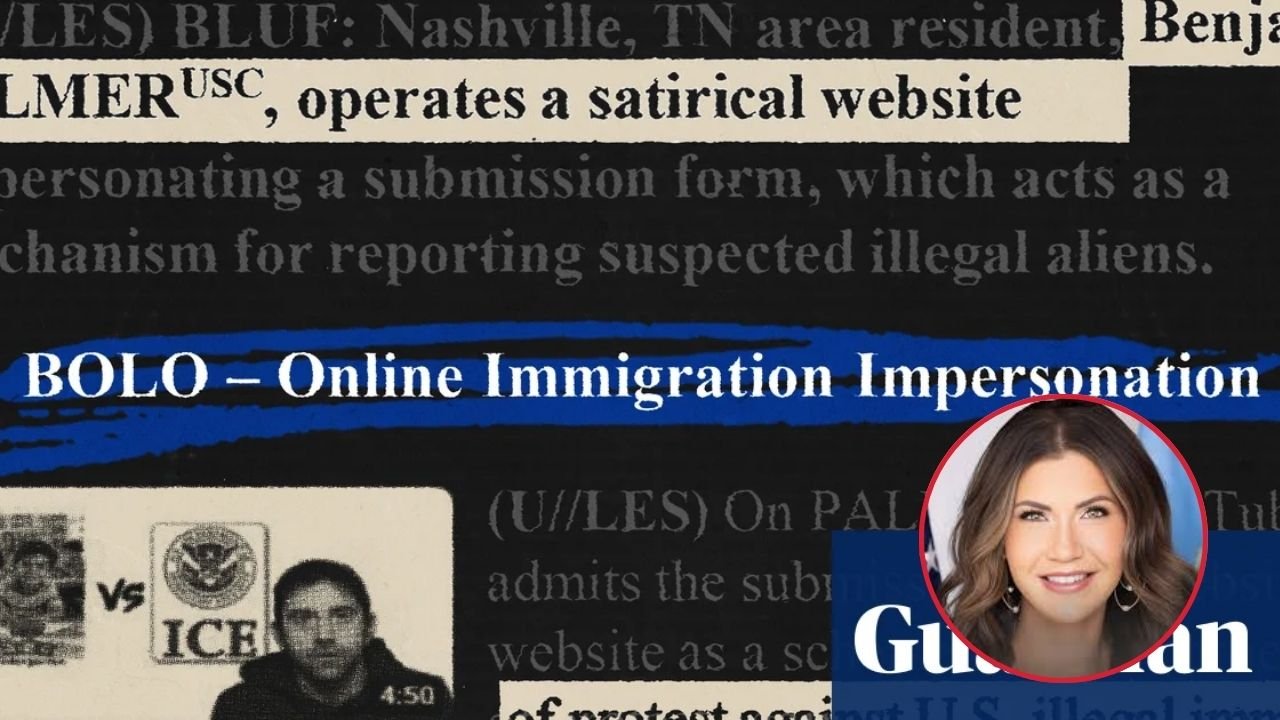
The controversy centers on a nationwide “Be on the Lookout” (BOLO) bulletin distributed through law enforcement channels regarding comedian and content creator Ben Palmer. The alert referenced a parody website created by Palmer that mimicked an immigration reporting portal and generated viral attention through videos featuring interactions with individuals who believed they were submitting reports to immigration authorities.
Stick to the Facts
Add icode.net.au as a Preferred Source on Google to see more of our stories in your search results.

While DHS later stated that Palmer was not under investigation and did not pose a direct threat, the circulation of the alert has fueled broader discussions about government oversight, online satire, and First Amendment concerns.
Alert Draws National Attention
The issue gained widespread attention after details of the bulletin became public through records obtained by journalists.
According to reports, the alert was initially issued by a DHS field office and later shared with law enforcement agencies through distribution networks. The bulletin identified Palmer, included screenshots from his parody website and social media channels, and described the site as impersonating an immigration reporting mechanism.
The disclosure quickly attracted national media coverage because BOLO notices are typically associated with public safety concerns, criminal investigations, or potentially dangerous individuals.
In this case, however, the subject of the alert was a comedian known primarily for satire and online content creation.
That unusual combination immediately sparked public curiosity and debate.
The Website Behind the Controversy
Palmer’s website was designed as a satirical project focused on immigration reporting culture.
The parody platform imitated the appearance and language of official reporting forms, leading some visitors to believe they were communicating with government authorities. Videos posted by Palmer showed interactions with individuals who attempted to report suspected undocumented immigrants through the site. These recordings generated millions of views across social media platforms.
Despite the realistic presentation, reports indicate that the website included disclaimers identifying it as parody content and did not claim official affiliation with federal immigration agencies.
The combination of satire and political commentary helped the project gain substantial attention online.
At the same time, it also raised questions regarding impersonation, public confusion, and the boundaries of online parody.
DHS Explains the Bulletin
Following public scrutiny, DHS clarified its position regarding the alert.
Agency representatives stated that Palmer was not the subject of an active investigation and emphasized that the document was intended for situational awareness rather than enforcement action. Officials argued that law enforcement personnel should remain aware of websites or individuals that may appear to impersonate federal agencies.
The bulletin itself reportedly acknowledged that there was no direct threat to life or infrastructure associated with Palmer.
Those explanations have not completely ended the discussion, however.
Critics continue questioning whether a nationwide law enforcement alert was an appropriate response to a satirical website, particularly when the alert explicitly noted the absence of a public safety threat.
Free Speech Questions Emerge
The controversy has quickly evolved into a broader discussion about freedom of expression.
Legal experts and civil liberties advocates have highlighted the long history of parody and satire in American culture. Political satire, in particular, has often received strong constitutional protections under the First Amendment.
Some observers argue that distributing a law enforcement bulletin about a comedian could have a chilling effect on speech, potentially discouraging creators from engaging in satire that criticizes government institutions.
Others contend that government agencies have legitimate reasons to monitor websites that closely resemble official platforms, especially when members of the public may mistake them for authentic government services.
The debate reflects the challenge of balancing public awareness concerns with constitutional protections.
Law Enforcement Community Reacts
The unusual nature of the alert has also generated discussion among former law enforcement officials.
Reports indicate that some retired immigration enforcement leaders described the use of a BOLO notice in this context as uncommon. Traditionally, such alerts are associated with individuals considered dangerous or connected to criminal investigations.
Because Palmer was neither accused of violent activity nor identified as a public safety threat, the alert stood apart from many typical BOLO bulletins.
That distinction has led observers to question how agencies determine when informational notices should be circulated nationally.
The case may prompt additional examination of internal procedures and alert distribution practices moving forward.
Social Media Amplifies the Story
As with many modern controversies, social media played a major role in expanding public awareness.
The story spread rapidly across online platforms, where users debated the implications of the alert from multiple perspectives. Supporters of Palmer viewed the situation as evidence of government overreach, while others focused on the potential confusion created by websites that closely resemble official government resources.
The comedian himself responded publicly after learning about the bulletin, describing the situation as both surprising and, in some respects, a reflection of the impact his work had achieved.
The incident demonstrates how quickly government actions and internet culture can intersect in the digital era.
Broader Implications
Beyond the immediate controversy, the episode raises larger questions about the relationship between government agencies and online creators.
Digital platforms have made it easier than ever for comedians, activists, and commentators to reach massive audiences through satire. At the same time, realistic parody content can sometimes blur the line between humor and impersonation, creating challenges for regulators and law enforcement officials.
As online communication continues evolving, similar disputes may become more common.
Government agencies will likely face increasing pressure to clearly define how they respond to parody, misinformation concerns, and content that imitates official communications.
Finding that balance remains a complex challenge.
Looking Ahead
The DHS alert involving Ben Palmer’s parody immigration website has become far more than a story about a single comedian.
What began as an internal law enforcement bulletin has developed into a national conversation about satire, free speech, government authority, and digital communication. While DHS maintains that the alert was issued solely for awareness purposes and did not constitute an investigation, critics continue to question whether such measures were necessary.
As discussions continue, the incident is likely to remain a notable example of how online satire can collide with government institutions in unexpected ways.