
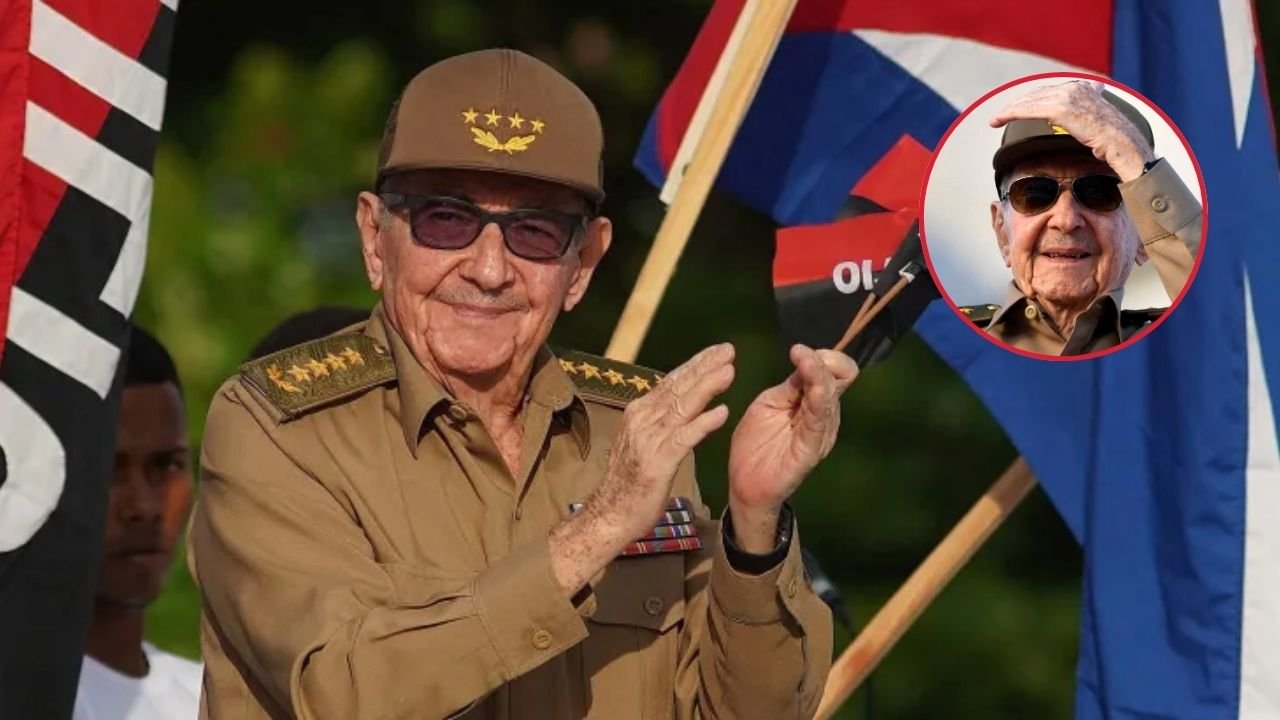
The United States has taken a historic legal step against former Cuban leader Raúl Castro, announcing federal criminal charges tied to one of the most controversial incidents in modern U.S.-Cuba relations.
Acting Attorney General Todd Blanche revealed that a federal grand jury has indicted Raúl Castro for his alleged role in the 1996 shootdown of two civilian aircraft operated by the humanitarian organization Brothers to the Rescue. The indictment includes charges of conspiracy to kill U.S. nationals, destruction of an aircraft, and four counts of murder.
Stick to the Facts
Add icode.net.au as a Preferred Source on Google to see more of our stories in your search results.

The announcement marks a significant development in a case that has remained a source of grief for victims’ families and a point of tension between Washington and Havana for three decades.
A Tragedy Revisited
The charges stem from an incident that occurred on February 24, 1996, over the Florida Straits.
On that day, Cuban military aircraft intercepted and destroyed two planes belonging to Brothers to the Rescue, a Miami-based organization known for conducting humanitarian flights aimed at locating and assisting migrants at sea.
The attack resulted in the deaths of four men: Mario de la Peña, Carlos Costa, Pablo Morales, and Armando Alejandre Jr.
The event immediately sparked international outrage and became one of the most significant flashpoints in U.S.-Cuba relations during the post-Cold War era.
For many Americans, particularly within the Cuban-American community, the incident has remained a symbol of unresolved injustice.
Why Raúl Castro Was Charged
At the time of the shootdown, Raúl Castro served as Cuba’s defense minister and oversaw the country’s armed forces.
According to U.S. prosecutors, the indictment alleges that Castro played a key role in decisions that led to the destruction of the civilian aircraft. Federal authorities argue that sufficient evidence exists to pursue criminal accountability for the deaths of the four victims.
While the legal process faces obvious challenges given Castro’s age, location, and political status, U.S. officials emphasized that the indictment serves a broader purpose.
During the announcement, Blanche stated that the case demonstrates the government’s commitment to pursuing justice regardless of how much time has passed since the alleged crimes occurred.
For relatives of the victims, the charges represent a long-awaited acknowledgment of their loss.
Symbolic and Legal Significance
The indictment carries both legal and symbolic weight.
From a legal perspective, it represents one of the most significant criminal actions ever pursued by the United States against a former Cuban leader. Historically, diplomatic disputes between the two countries have often remained in the political arena rather than entering criminal courts.
The move signals a willingness by federal prosecutors to revisit unresolved international incidents involving American citizens.
Symbolically, the indictment sends a message that U.S. authorities continue to view the 1996 shootdown as an act deserving accountability.
Even if Castro never appears in an American courtroom, the case ensures that the incident remains part of the broader historical record.
Tensions With Cuba Continue
The indictment arrives during a period of increasing strain between Washington and Havana.
Relations between the two countries have deteriorated amid growing economic pressures on Cuba and renewed American sanctions. The island nation continues to face significant challenges, including fuel shortages, electrical outages, inflation, and declining economic productivity.
The Trump administration has intensified pressure on Cuba through a series of economic measures designed to restrict access to resources and increase leverage over the Cuban government.
These policies have generated debate among policymakers, with supporters arguing that stronger pressure is necessary and critics warning of humanitarian consequences.
Against this backdrop, the indictment adds another layer to an already complicated relationship.
Rubio Highlights Cuba’s Crisis
On the same day as the indictment announcement, U.S. Secretary of State Marco Rubio addressed Cuba’s ongoing economic difficulties.
Rubio argued that the island’s humanitarian and infrastructure challenges stem largely from government mismanagement and decades of centralized control. He pointed to shortages of electricity, fuel, food, and basic services as evidence of systemic failures within the ruling system.
His comments coincided with Cuba’s Independence Day commemorations and reinforced the administration’s broader message regarding political and economic reform.
The remarks also reflected the growing importance of Cuba policy within domestic political discussions, particularly among Cuban-American communities.
Havana Pushes Back
Cuban officials have strongly rejected both the legal action and broader criticism from Washington.
Current Cuban President Miguel Díaz-Canel responded by warning against escalating tensions and arguing that Cuba poses no military threat to the United States.
He emphasized that the Cuban government has no aggressive intentions toward neighboring countries and accused Washington of creating unnecessary confrontation through its rhetoric and policies.
Cuban leaders have consistently argued that external economic pressure contributes significantly to the hardships currently experienced by ordinary citizens.
The disagreement highlights the deep divisions that continue to shape relations between the two nations decades after the end of the Cold War.
Experts Assess the Strategy
Political analysts view the indictment as part of a broader strategy aimed at increasing pressure on Cuba’s leadership.
Some experts believe the administration is attempting to leverage Cuba’s economic vulnerabilities to encourage political change. Others see the move as a symbolic effort designed to reinforce accountability for historical events while appealing to domestic political constituencies.
Observers note that the timing of the indictment is particularly notable given Cuba’s ongoing economic struggles and Washington’s recent policy actions.
Regardless of interpretation, the legal action is likely to intensify debate about the future direction of U.S.-Cuba relations.
Questions remain about whether increased pressure will lead to meaningful change or further deepen existing tensions.
Looking Ahead
The indictment of Raúl Castro represents a remarkable moment in the history of U.S.-Cuba relations.
Thirty years after the Brothers to the Rescue tragedy, American prosecutors have formally accused one of Cuba’s most influential leaders of responsibility for the deaths of four men whose families have spent decades seeking accountability. Whether the case ever proceeds beyond the indictment stage remains uncertain, but its political and symbolic impact is already significant.
At the same time, the announcement arrives amid broader geopolitical and economic challenges affecting both nations.
As Washington continues to increase pressure on Havana and Cuba struggles with mounting internal difficulties, the indictment adds another chapter to a relationship long defined by conflict, mistrust, and unresolved history.
For the families of the victims, however, the focus remains unchanged. After three decades, they have finally seen one of the most consequential legal actions ever taken in connection with the 1996 shootdown—an event that continues to resonate across both sides of the Florida Straits.