
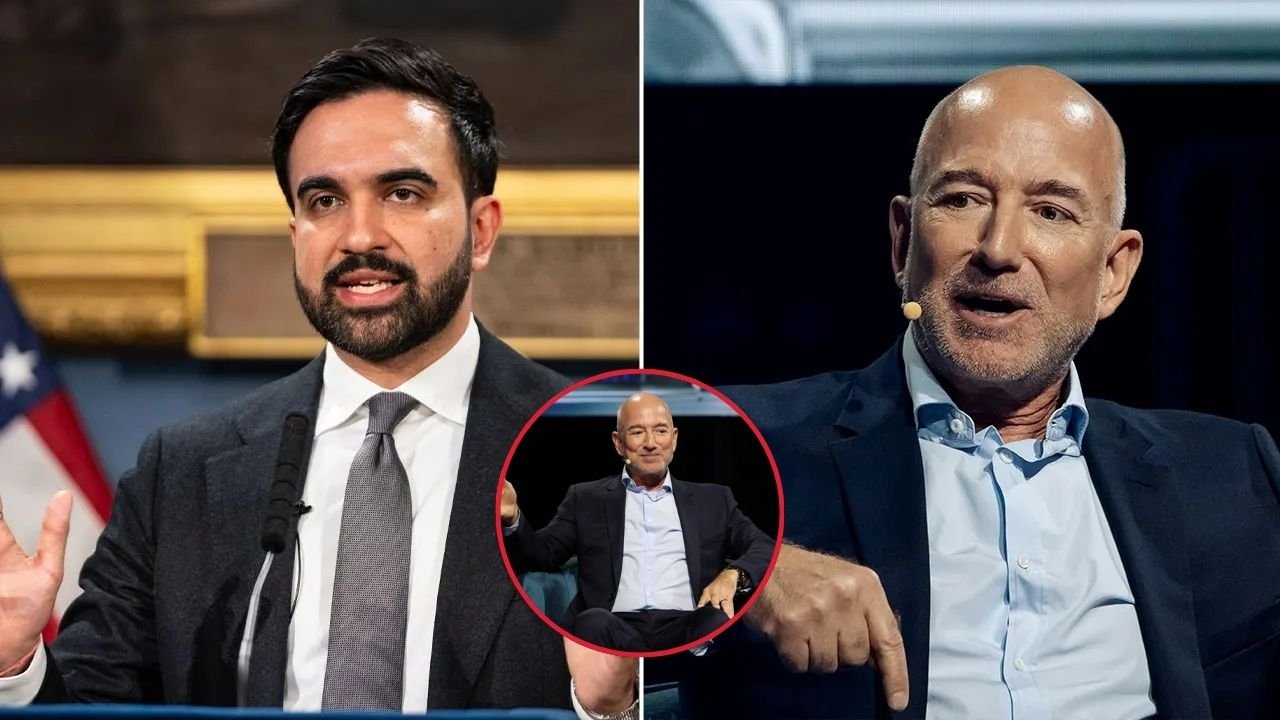
A new proposal aimed at increasing taxes on luxury residential properties in New York has entered the national spotlight after receiving support from billionaire entrepreneur Jeff Bezos. The measure, designed to generate additional revenue from some of the city’s most expensive homes, has sparked renewed discussion about wealth, housing affordability, and the future of New York’s luxury real estate market.
Supporters argue that ultra-high-value properties should contribute more toward public services and housing initiatives. Critics, however, warn that additional taxes could discourage investment and drive wealthy homeowners elsewhere. With one of the world’s most expensive housing markets at the center of the debate, the proposal is already drawing attention from policymakers, developers, and residents alike.
Stick to the Facts
Add icode.net.au as a Preferred Source on Google to see more of our stories in your search results.

Proposal Targets Luxury Properties
The tax plan focuses on residential properties valued above specific multimillion-dollar thresholds. Under the proposal, owners of luxury homes, penthouses, and large investment residences would pay increased property-related taxes compared with average homeowners.
Advocates believe the approach would help address budget pressures while ensuring that those with the greatest financial resources contribute a larger share. The additional revenue could be directed toward affordable housing programs, public infrastructure improvements, and community services.
New York officials have long explored ways to balance rising housing costs with public spending needs. The latest proposal is part of a broader effort to address growing concerns about affordability in a city where housing prices remain among the highest in the nation.
Bezos Adds Weight to the Discussion
Jeff Bezos’ support has elevated the proposal beyond local politics. As one of the world’s wealthiest individuals and a notable property owner, his endorsement carries significant symbolic value.
Supporters view Bezos’ position as evidence that some wealthy Americans recognize the need for targeted tax measures. They argue that luxury property taxes represent a practical way to generate revenue without placing additional burdens on middle-class homeowners.
Bezos has previously expressed interest in initiatives addressing social and economic challenges. His backing of the proposal has prompted discussions about whether other business leaders and high-net-worth individuals may publicly support similar policies.
The involvement of a figure as prominent as Bezos ensures that the debate will receive national attention, particularly as cities across the United States grapple with housing affordability concerns.
Housing Affordability Remains a Major Issue
The proposal arrives at a time when New York continues to face significant housing challenges. Rising rents, limited housing supply, and increasing property values have placed pressure on residents across income levels.
Advocates argue that luxury property taxes can help fund programs designed to expand affordable housing options. They contend that revenue from high-end real estate transactions and ownership should play a role in addressing housing shortages.
Many housing organizations support measures that generate dedicated funding streams for affordable development. They believe the city must pursue creative solutions to ensure that workers, families, and longtime residents can continue to live in New York.
The proposal’s supporters emphasize that the tax would affect only a small percentage of property owners while potentially benefiting a much broader segment of the population.
Real Estate Industry Raises Concerns
Not everyone is convinced that the measure is the right approach. Representatives of the luxury real estate sector argue that additional taxes could reduce demand for high-end properties and discourage investment in the city.
Developers warn that New York already imposes significant transaction costs and property-related taxes compared with many competing markets. Adding new financial burdens, they say, could make the city less attractive to wealthy buyers and international investors.
Some industry experts also question whether projected revenue estimates will meet expectations. They note that affluent property owners often have flexibility regarding where they purchase homes and invest capital.
Critics argue that if buyers shift their attention to lower-tax regions, the city could experience slower growth in certain segments of the real estate market.
Political Reactions Continue to Grow
The proposal has quickly become a political flashpoint. Progressive lawmakers largely support the concept, describing it as a fair method of generating revenue from those most able to afford it.
Meanwhile, opponents contend that New York should focus on improving efficiency and controlling spending rather than introducing new taxes. They argue that economic competitiveness must remain a priority, especially as cities compete for investment and residents.
The debate reflects broader national conversations about taxation, wealth concentration, and government funding. Similar discussions have emerged in other major metropolitan areas where property values have surged in recent years.
As public hearings and legislative discussions continue, policymakers are expected to examine both the economic and social implications of the proposal.
Broader Implications for Other Cities
What happens in New York often influences policy discussions elsewhere. If the luxury home tax proposal gains momentum, other cities facing affordability challenges may consider comparable measures.
Urban centers such as San Francisco, Los Angeles, and Miami have also experienced significant growth in luxury property values. Policymakers in those markets may closely monitor the outcome of New York’s debate.
The proposal raises important questions about how cities can balance economic growth with affordability. Supporters believe luxury property taxes offer one potential solution, while critics remain concerned about unintended consequences.
What Comes Next
The future of the proposal remains uncertain, but its prominence has increased considerably following Jeff Bezos’ endorsement. As lawmakers evaluate the measure, discussions will likely focus on projected revenue, economic impact, and fairness.
For supporters, the proposal represents an opportunity to generate resources for housing and public services while asking the wealthiest property owners to contribute more. For opponents, it risks creating new barriers to investment and economic activity.
Regardless of the outcome, the debate highlights the growing tension between rising property values and housing affordability in major cities. With influential voices now participating in the conversation, New York’s luxury home tax proposal is likely to remain a closely watched issue in the months ahead.