
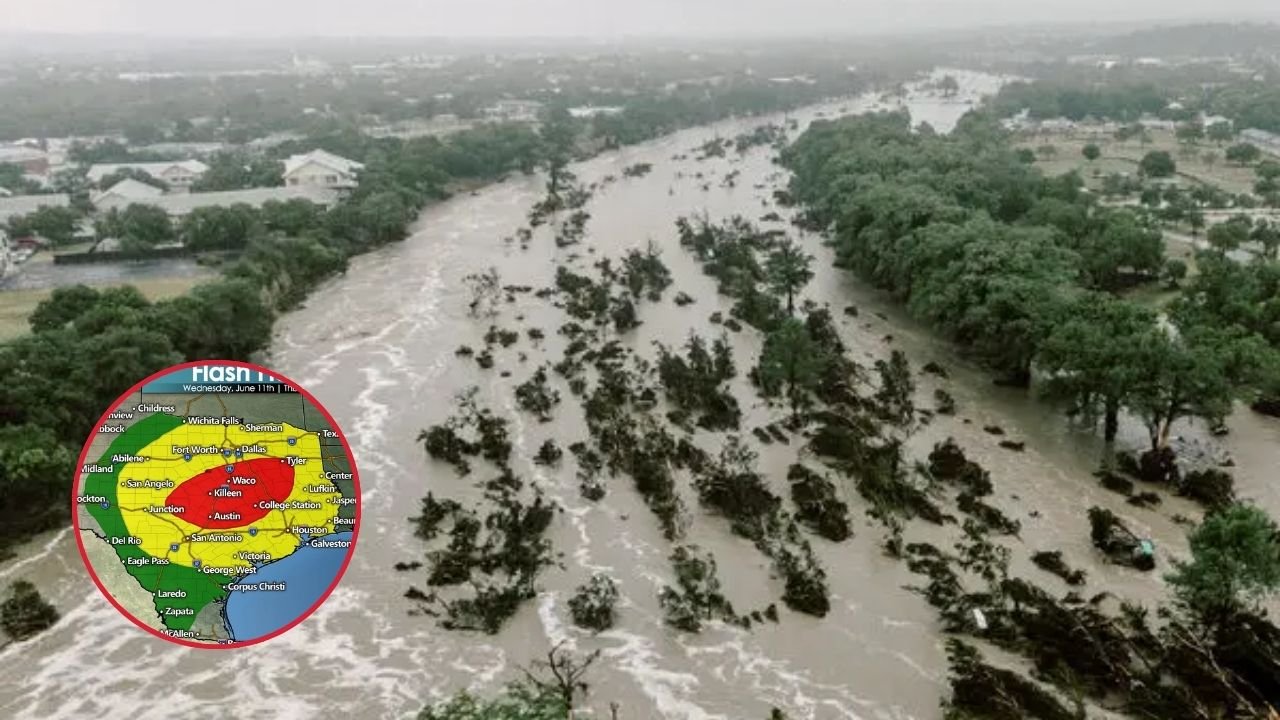
Residents across Central Texas are being urged to remain alert as a developing atmospheric disturbance increases the threat of heavy rainfall and overnight flooding throughout the region.
Meteorologists are closely monitoring a slow-moving weather system capable of producing repeated rounds of thunderstorms, raising concerns about flash flooding, rising creeks, and hazardous travel conditions. The greatest risk is expected to occur during nighttime hours when reduced visibility can make flooding particularly dangerous for drivers and residents in vulnerable areas.
Stick to the Facts
Add icode.net.au as a Preferred Source on Google to see more of our stories in your search results.

While severe weather is not uncommon in Texas during the warmer months, forecasters warn that this system possesses several characteristics that could lead to significant rainfall accumulation in a relatively short period of time.
Weather System Gains Strength
The developing disturbance has attracted attention from weather experts because of its ability to draw substantial moisture into Central Texas.
As warm, humid air flows northward from the Gulf of Mexico, conditions are becoming increasingly favorable for widespread thunderstorm development. Meteorologists note that the combination of abundant moisture, atmospheric instability, and slow storm movement could create an environment supportive of excessive rainfall.
Unlike fast-moving storm systems that pass through quickly, this disturbance may linger over portions of the region for several hours.
That slower pace increases the likelihood that some communities could experience repeated periods of heavy rain, leading to localized flooding concerns.
Overnight Timing Raises Concerns
One of the most significant aspects of the forecast is the timing of the expected rainfall.
Many of the strongest storms are anticipated to develop or intensify after sunset, continuing through overnight and early morning hours. Flooding events that occur during the night often present additional challenges because people may be asleep when conditions begin deteriorating.
Emergency management officials frequently emphasize the dangers associated with nighttime flooding.
Roadways can become submerged unexpectedly, and drivers may struggle to recognize flooded areas due to limited visibility. Even shallow water covering a roadway can create dangerous conditions and lead to vehicle-related emergencies.
The overnight threat has prompted authorities to encourage residents to remain aware of weather alerts and warnings throughout the evening.
Flash Flooding Becomes Primary Threat
Although thunderstorms may bring lightning, gusty winds, and isolated severe weather, flooding remains the primary concern associated with this atmospheric disturbance.
Forecasters indicate that rainfall rates could become intense within stronger storm cells. In some locations, several inches of rain may fall over a short period, overwhelming drainage systems and causing water levels to rise rapidly.
Flash flooding is particularly dangerous because it can develop with little warning.
Low-lying roads, urban areas, small streams, and flood-prone neighborhoods often face the highest risk. Water can accumulate quickly, transforming normally manageable roadways into hazardous environments within minutes.
Officials continue to stress that residents should never attempt to drive through flooded areas.
Central Texas Faces Familiar Challenge
Flooding is a recurring concern across Central Texas due to the region’s geography and weather patterns.
The area contains numerous rivers, creeks, and drainage basins that can respond rapidly to heavy rainfall. Some communities have experienced significant flooding events in recent years, reinforcing awareness of how quickly conditions can change during major rainstorms.
Meteorologists often refer to parts of Central Texas as particularly susceptible to flash flooding because intense rainfall can funnel into waterways at a rapid pace.
When storms repeatedly move over the same locations, the flood threat becomes even greater.
The current weather setup shares some characteristics with previous flooding events that produced substantial rainfall totals across the region.
Emergency Officials Monitor Conditions
Local emergency management agencies are closely tracking the forecast and preparing for potential impacts.
Authorities are coordinating with weather services, public safety departments, and transportation agencies to ensure that resources are available if flooding develops. Road closures, water rescues, and emergency notifications may become necessary in areas that experience the heaviest rainfall.
Officials are encouraging residents to review emergency plans and remain informed through trusted weather sources.
Preparedness measures can be especially important when storms are expected overnight, as warnings may be issued while many people are sleeping.
Having multiple methods of receiving weather alerts can help ensure that critical information is received promptly.
Travel Could Become Hazardous
The expected rainfall may significantly affect travel conditions across portions of Central Texas.
Heavy downpours can reduce visibility, create standing water on roads, and increase the risk of hydroplaning. Conditions may become especially dangerous on rural roadways where drainage infrastructure is limited and floodwaters can cross low-water crossings.
Morning commuters could also encounter lingering impacts if overnight storms produce substantial flooding.
Even after rainfall decreases, water may remain on roads and in drainage channels for several hours. Drivers are advised to exercise caution and allow additional travel time if severe weather affects their area.
Transportation officials continue to monitor conditions and may issue advisories as necessary.
Forecast Uncertainty Remains
Despite growing confidence in the overall flooding threat, meteorologists acknowledge that some uncertainty remains regarding the precise location of the heaviest rainfall.
Thunderstorm activity can be highly localized, meaning that some communities may receive only moderate rainfall while others experience significantly higher totals. Small shifts in storm tracks can have a major influence on where flooding develops.
As a result, forecasters are continuing to refine predictions as new data becomes available.
Residents throughout Central Texas are encouraged to pay attention to updated forecasts and be prepared for changing conditions.
Weather systems of this nature often evolve rapidly, making real-time information especially valuable.
Looking Ahead
The atmospheric disturbance moving into Central Texas has the potential to produce a dangerous period of overnight rainfall, with flash flooding emerging as the most significant threat.
While the exact distribution of rainfall remains uncertain, meteorologists agree that conditions are favorable for heavy downpours capable of overwhelming drainage systems and causing localized flooding. The overnight timing further increases concern, as hazardous conditions may develop when visibility is limited and many residents are asleep.
Emergency officials, weather forecasters, and local agencies will continue monitoring the situation closely as the storm system unfolds.
For residents across Central Texas, the message remains clear: stay informed, monitor weather alerts, and be prepared to respond quickly if flooding develops. As the disturbance moves through the region, vigilance and preparedness may prove essential in minimizing risks and ensuring public safety.