
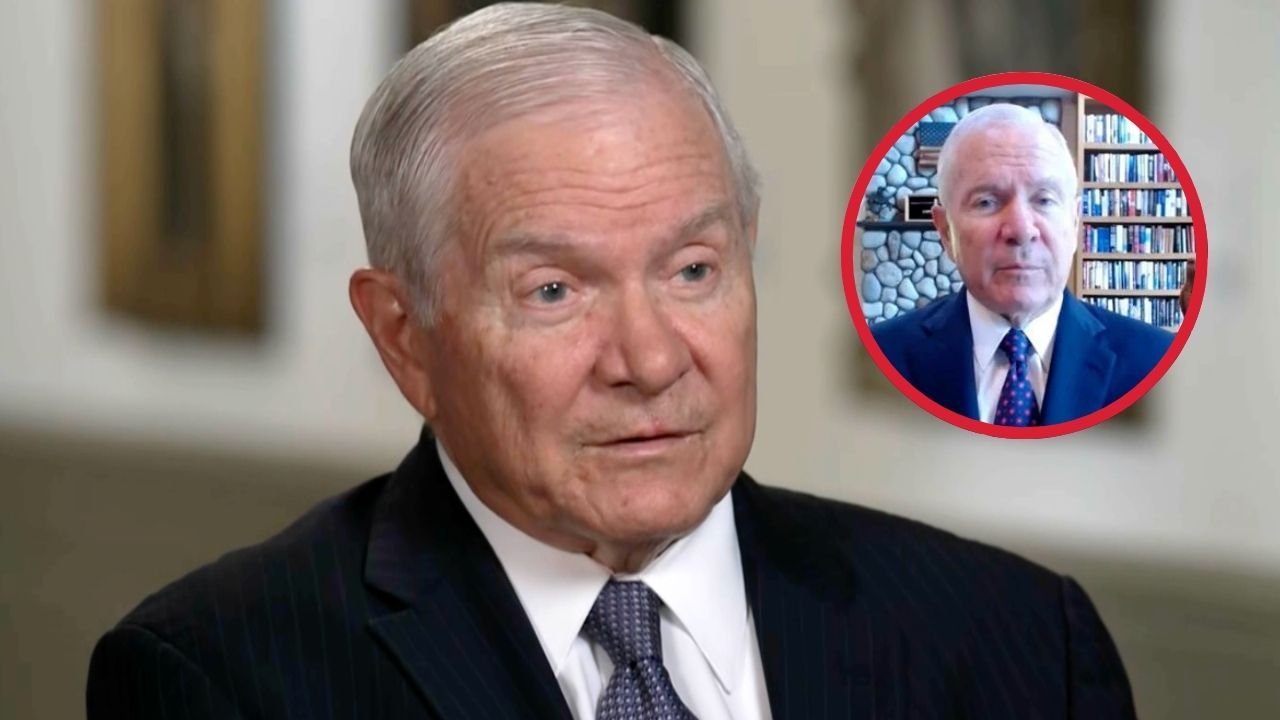
Former U.S. Defense Secretary Robert Gates returned to national headlines after his recent appearance on CBS News’ Face the Nation. In a wide-ranging interview with journalist Margaret Brennan, Gates offered a stark warning about rising geopolitical tensions, nuclear threats, and America’s shifting role in the world.
The interview quickly drew attention across political and defense circles because of Gates’ direct assessment of modern security risks. Having served under both Republican and Democratic presidents, his comments carry unusual bipartisan weight. The CBS News transcript captured concerns that many foreign policy experts have quietly discussed for years but rarely express so openly in public.
Stick to the Facts
Add icode.net.au as a Preferred Source on Google to see more of our stories in your search results.

Gates Says the World Has Entered a Dangerous Era
During the interview, Gates argued that the United States is now facing a level of international instability not seen in decades. He pointed specifically to the growing military power of China and the continued aggression of Russia.
According to Gates, the most alarming factor is that America now faces powerful nuclear-armed rivals in both Europe and Asia simultaneously. He emphasized that China’s military modernization, especially its nuclear expansion, is changing the balance of global power in ways many Americans may not fully understand.
Gates also stressed that China’s industrial and manufacturing capabilities create a challenge unlike previous Cold War rivals. In his view, economic strength and military strength are becoming increasingly connected, especially as nations compete over technology, supply chains, and strategic resources.
His warning reflects a broader concern among defense officials who believe the international order established after World War II is under growing pressure.
China and Russia Remain Central Concerns
A major theme of the CBS News transcript was the growing partnership between China and Russia. Gates suggested that the United States can no longer afford to treat these threats separately.
He described the possibility of coordinated pressure from both nations as one of the most serious strategic challenges facing Washington. While he stopped short of predicting direct military conflict, Gates made clear that America must prepare for a world where multiple major powers openly challenge U.S. influence.
This aligns with recent Pentagon assessments that have identified China as America’s primary long-term competitor while continuing to monitor Russia’s military actions in Europe and beyond.
Gates’ comments also reflected concern about whether the United States has invested enough in its own industrial and defense capacity to keep pace with global rivals.
Concerns Over America’s Readiness
Another key issue raised in the interview involved America’s preparedness for future conflicts.
Gates questioned whether the U.S. defense industry can currently produce weapons, ammunition, and military equipment quickly enough during a prolonged crisis. He pointed to lessons learned from recent global conflicts where supply chains became strained and defense inventories were depleted faster than expected.
His remarks come at a time when many policymakers are debating military spending priorities, defense manufacturing expansion, and modernization efforts inside the Pentagon.
The former defense secretary suggested that maintaining military strength is not only about troop numbers or advanced technology. It also depends on industrial capacity, economic resilience, and political stability at home.
Gates Reflects on U.S. Foreign Policy
The interview also touched on broader American foreign policy decisions over the past two decades. Gates has long been known for offering measured criticism of both political parties, and the CBS transcript showed that balanced approach again.
Rather than focusing only on military action, Gates emphasized diplomacy, alliances, and long-term strategic planning. He argued that America’s relationships with allies remain one of its greatest advantages in dealing with global threats.
At the same time, he warned that political division inside the United States can weaken America’s international standing. According to Gates, adversaries often study domestic instability carefully and may attempt to exploit it.
His comments reflected a growing concern among former national security officials that internal political battles could eventually damage America’s global influence more than external threats alone.
Why Gates’ Voice Still Matters
Even years after leaving government service, Robert Gates remains one of the most respected figures in American national security circles. He served as defense secretary under Presidents George W. Bush and Barack Obama, a rare example of bipartisan continuity during wartime leadership.
Before that, he spent decades in intelligence and national security roles, including serving as director of the CIA. His long career gives him a unique perspective on how global threats have evolved from the Cold War era to today’s more complex geopolitical landscape.
Because Gates is not currently seeking office or serving in government, many analysts believe his public comments tend to reflect genuine strategic concerns rather than political messaging.
The Interview Sparked Wider Debate
Following the CBS News broadcast, discussion about Gates’ remarks spread quickly across political and foreign policy communities. Supporters praised him for speaking candidly about national security risks, while critics argued that such warnings can sometimes increase public fear or encourage larger military budgets.
Still, the interview succeeded in drawing attention to issues that are increasingly shaping global politics: nuclear competition, military preparedness, technological rivalry, and economic power.
The transcript also reminded viewers that modern threats are no longer limited to traditional warfare. Cybersecurity, artificial intelligence, supply chains, and economic influence now play major roles in international competition.
As world tensions continue to evolve, Gates’ message appeared clear: the United States is entering a period where strategic decisions made today could shape global stability for decades to come.