
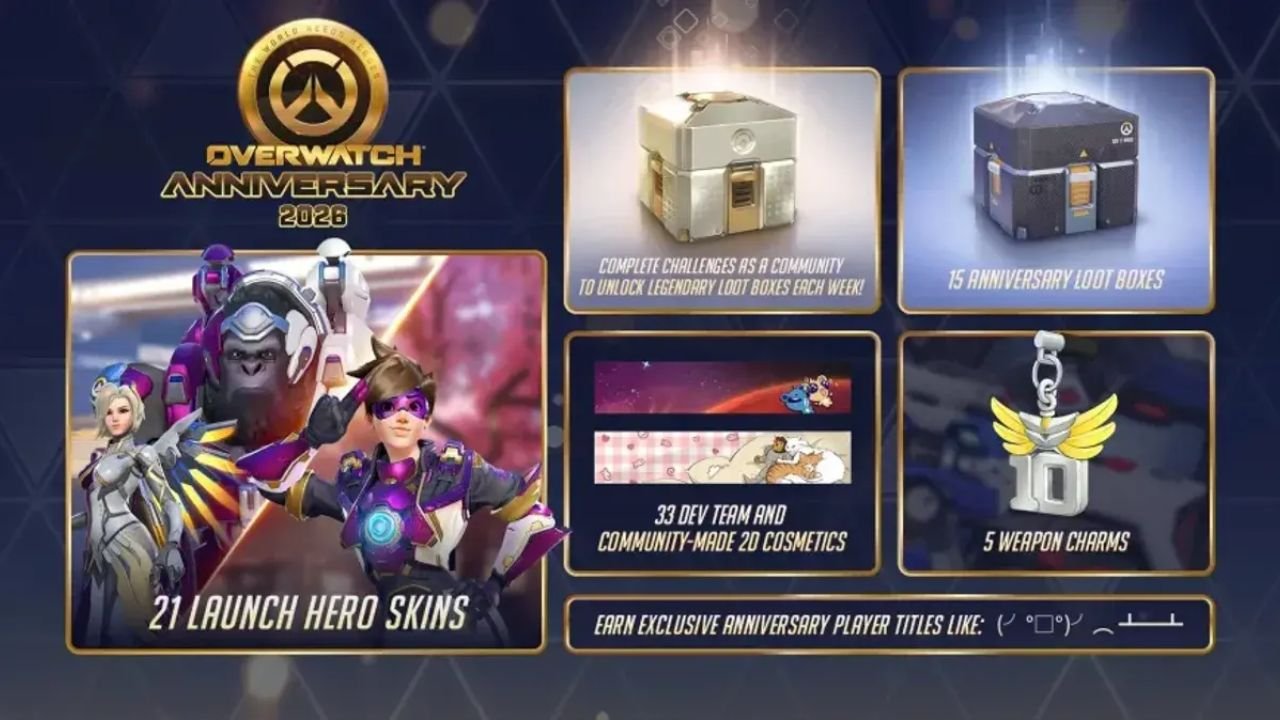
Blizzard Entertainment is making significant adjustments to the way players experience the Overwatch tenth anniversary celebration.
As the iconic hero shooter reaches a major milestone, the developer has announced changes to the event’s rotation structure, giving players a different approach to accessing classic modes, limited-time content, and fan-favorite experiences. The updated format is designed to keep the anniversary event fresh while ensuring that a broader range of content remains available throughout the celebration.
Stick to the Facts
Add icode.net.au as a Preferred Source on Google to see more of our stories in your search results.

For longtime fans, the anniversary represents more than just another seasonal event. It serves as a reflection of a decade of memorable moments, evolving gameplay, and a community that has helped shape one of gaming’s most recognizable multiplayer franchises.
A New Approach to Anniversary Content
Anniversary events have traditionally been among the most anticipated celebrations in Overwatch.
They often bring together content from multiple seasonal events, allowing players to revisit limited-time modes and earn rewards that may have been unavailable for months. However, managing such a large collection of content has become increasingly challenging as the game continues to expand.
Blizzard’s revised rotation structure aims to address that challenge.
Instead of relying on a more predictable schedule, the new system introduces adjustments designed to keep the experience dynamic throughout the event period. By rotating featured content more strategically, the developer hopes to encourage players to return regularly and explore a wider variety of game modes.
The goal appears to be balancing nostalgia with ongoing engagement.
Celebrating a Decade of Overwatch
Few multiplayer games have maintained cultural relevance as long as Overwatch.
Since its original launch in 2016, the franchise has experienced major transformations, including hero additions, map expansions, competitive updates, esports development, and the transition to Overwatch 2.
The tenth anniversary offers Blizzard an opportunity to recognize that history while also highlighting the game’s future direction.
For many players, the celebration serves as a reminder of memorable moments from different eras of the franchise. Whether they joined during the game’s early years or arrived more recently, fans have developed strong connections to specific events, heroes, and gameplay experiences.
The anniversary event is designed to capture those memories while introducing a refreshed presentation.
Rotating Modes Take Center Stage
One of the most noticeable changes involves the handling of limited-time game modes.
Special modes have long been a central attraction during anniversary celebrations, providing players with opportunities to revisit unique gameplay experiences that differ from standard matchmaking.
Under the updated format, mode rotations will play a larger role in shaping the event’s progression.
This approach allows Blizzard to spotlight different experiences throughout the celebration rather than making everything available simultaneously. Developers often use rotation systems to maintain player interest and ensure that individual modes receive sufficient attention.
For players, that means checking in regularly to see what content is currently featured.
Balancing Variety and Accessibility
Event design always involves balancing competing priorities.
On one hand, players appreciate having access to as much content as possible. On the other hand, too many options at once can dilute participation and make it difficult for specific modes to maintain healthy matchmaking populations.
The revised anniversary structure appears intended to solve that issue.
By carefully organizing content rotations, Blizzard can guide player activity toward featured experiences while still offering a diverse selection of gameplay opportunities over the course of the event.
This strategy may also help newer players discover modes they might otherwise overlook.
As Overwatch continues attracting different generations of players, ensuring accessibility remains an important consideration.
Community Reactions Begin to Emerge
Changes to established event formats rarely go unnoticed within the Overwatch community.
Players have already begun discussing the revised anniversary structure across forums, social media platforms, and gaming communities. Some fans appreciate the effort to keep the celebration feeling active and evolving, while others prefer broader access to content at all times.
These differing perspectives are common whenever developers modify long-running systems.
Anniversary events often carry emotional significance because they are tied to player memories and traditions. As a result, even relatively small changes can generate extensive discussion.
Blizzard will likely continue monitoring feedback as the event progresses, using player responses to inform future decisions.
Keeping Players Engaged
Modern live-service games face constant pressure to maintain player engagement.
Unlike traditional releases that remain largely unchanged after launch, games such as Overwatch rely on regular updates, events, and seasonal content to sustain interest over time.
The anniversary event provides an ideal opportunity to reinforce that strategy.
By introducing a revised rotation schedule, Blizzard creates recurring reasons for players to return throughout the celebration. Each content refresh has the potential to generate renewed excitement and encourage participation among both active players and returning veterans.
This approach aligns with broader industry trends emphasizing ongoing engagement rather than one-time content releases.
Looking Beyond the Anniversary
While the event focuses on celebrating ten years of Overwatch, its structure may also offer insight into Blizzard’s future plans.
Developers frequently use special events to test new ideas, evaluate player behavior, and gather feedback on experimental systems. If the revised rotation model proves successful, similar approaches could influence future seasonal events and content releases.
That possibility makes the anniversary particularly significant.
Rather than serving solely as a retrospective celebration, the event may help shape how Overwatch presents content moving forward. Lessons learned during the anniversary could contribute to future improvements across the game’s live-service ecosystem.
For Blizzard, the celebration represents both a milestone and an opportunity.
Looking Ahead
The Overwatch tenth anniversary event marks an important moment for a franchise that has remained a major force in multiplayer gaming for nearly a decade.
By restructuring the event rotation system, Blizzard is attempting to create a more dynamic and engaging experience while balancing player access, matchmaking health, and long-term participation. Although opinions on the changes will likely vary, the updated format demonstrates the developer’s willingness to evolve established traditions in pursuit of a stronger overall experience.
As the anniversary celebration continues, players can expect a steady flow of rotating content, returning favorites, and opportunities to revisit some of the most memorable moments in Overwatch history.