
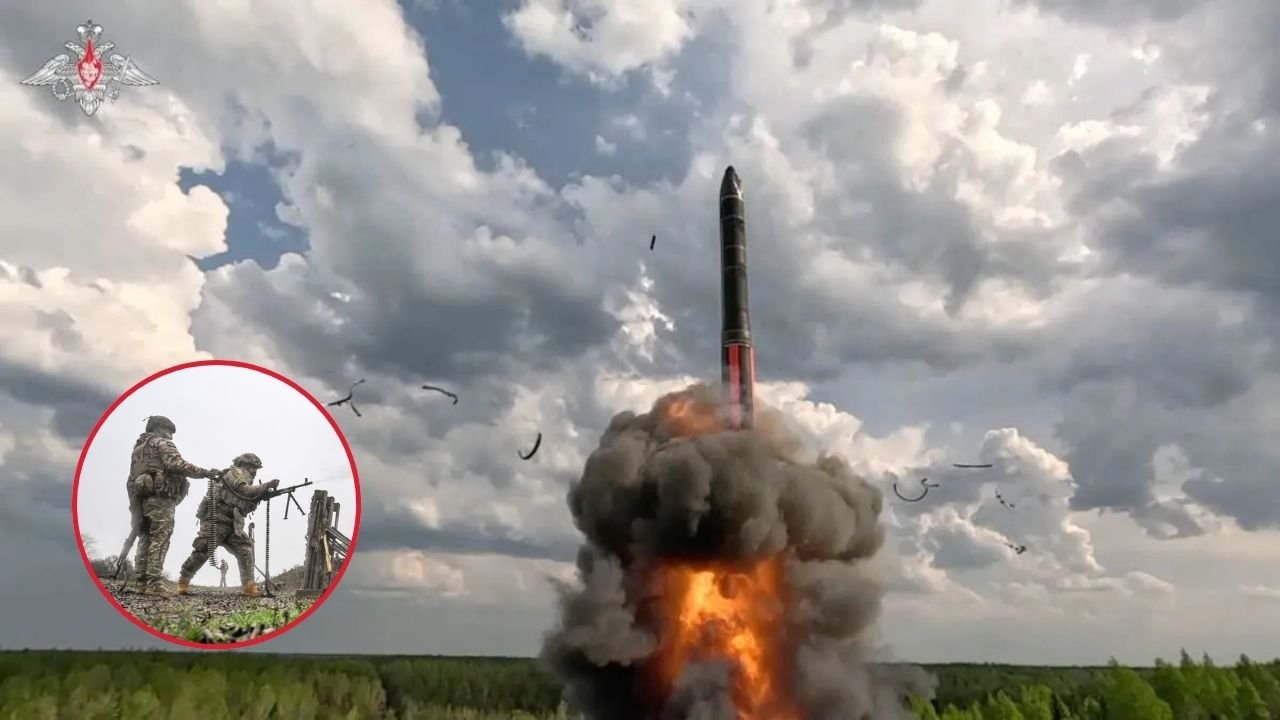
Ukraine is strengthening its northern defenses as concerns grow over upcoming joint military exercises involving Russia and Belarus.
President Volodymyr Zelenskyy has emphasized the importance of maintaining readiness along Ukraine’s northern frontier, ordering additional attention to border security and defensive preparations ahead of the planned Russian-Belarus military drills. The move reflects Kyiv’s continued caution regarding military activity near its borders and underscores the strategic significance of the region as the war enters another critical phase.
Stick to the Facts
Add icode.net.au as a Preferred Source on Google to see more of our stories in your search results.

While Ukrainian officials have not indicated that an immediate attack is expected, they have stressed that any large-scale military exercise near the border requires close monitoring and appropriate defensive measures.
Heightened Attention in the North
Ukraine’s northern border remains a sensitive area due to its proximity to Belarus and the role the region played during the early stages of the conflict.
When Russia launched its full-scale invasion in 2022, forces entered Ukraine from multiple directions, including territory in Belarus. That experience has shaped Ukraine’s security calculations ever since, prompting military planners to maintain significant attention on developments along the northern frontier.
As preparations begin for the latest joint drills between Russia and Belarus, Ukrainian authorities are once again reviewing defense positions, surveillance capabilities, and troop readiness in nearby regions.
Officials argue that maintaining strong defenses is necessary regardless of whether military exercises are intended as training events or demonstrations of force.
Military Exercises Draw Scrutiny
Joint military drills between Russia and Belarus have become a recurring feature of security dynamics in Eastern Europe.
Such exercises often involve troop movements, equipment deployments, logistical operations, and large-scale training scenarios. While military exercises are common among allied nations, neighboring countries frequently monitor them closely because they can alter regional security conditions.
For Ukraine, the timing and scale of the drills are particularly important.
Military planners are expected to evaluate troop concentrations, equipment transfers, and any unusual activity that could signal broader strategic intentions. Even when exercises are publicly described as routine, governments often take precautionary measures to ensure readiness.
That approach appears to be guiding Ukraine’s current response.
Zelenskyy Emphasizes Preparedness
Zelenskyy has repeatedly stated that Ukraine must remain prepared for a wide range of potential security challenges.
The president’s focus on northern defenses reflects a broader strategy centered on vigilance rather than reaction. Ukrainian leaders have consistently argued that preparation is one of the country’s most effective tools in managing ongoing threats.
By reinforcing defensive positions and increasing monitoring efforts, Kyiv aims to reduce vulnerabilities and improve response capabilities should circumstances change.
Government officials have stressed that preparedness does not necessarily indicate expectations of imminent escalation. Instead, it reflects lessons learned from previous stages of the conflict, where rapid developments often required swift military responses.
Belarus Remains a Strategic Factor
Belarus continues to occupy an important position in the broader regional security landscape.
As one of Russia’s closest allies, Belarus has maintained military cooperation with Moscow throughout the conflict. Joint exercises, defense agreements, and security coordination between the two countries have drawn attention from Ukraine and Western governments alike.
Although Belarus has not directly entered the war with combat forces, its geographic location gives it strategic importance.
Any major military activity conducted within Belarusian territory inevitably attracts scrutiny because of its proximity to northern Ukraine and several key transportation routes.
For Ukrainian officials, understanding developments in Belarus remains an essential component of national defense planning.
Border Defenses Continue to Evolve
Since 2022, Ukraine has invested significant resources into strengthening defensive infrastructure along vulnerable sections of its borders.
Military engineers and local authorities have worked on fortifications, observation systems, transportation networks, and logistical support structures designed to improve defensive capabilities. These efforts have created multiple layers of protection intended to slow or deter potential incursions.
The latest reinforcement measures appear to build upon that existing framework rather than represent an entirely new initiative.
By expanding surveillance and maintaining troop readiness, Ukrainian commanders seek to ensure that northern regions remain secure while military operations continue elsewhere in the country.
The strategy reflects an understanding that effective defense often depends on preparation long before a crisis emerges.
International Observers Watching Closely
Developments surrounding the Russian-Belarus exercises are being closely watched by international partners as well.
Governments across Europe and within the broader transatlantic alliance continue to monitor military activity in the region, assessing its implications for security and stability. Intelligence agencies and defense officials frequently evaluate large-scale exercises to determine whether they represent routine training or signal shifts in military posture.
The situation highlights the broader geopolitical significance of military movements in Eastern Europe.
Even exercises that remain entirely within training parameters can influence diplomatic discussions, defense planning, and regional perceptions of risk.
As a result, the upcoming drills are expected to attract considerable international attention.
Balancing Caution and Confidence
Ukraine faces the challenge of maintaining vigilance without creating unnecessary alarm.
Military leaders must balance readiness with efficient allocation of resources, ensuring that defenses remain strong across multiple fronts. Reinforcing northern positions demonstrates caution, but officials have also sought to project confidence in Ukraine’s ability to monitor and respond to potential developments.
This approach reflects the country’s broader wartime strategy, which combines defensive preparation with efforts to maintain stability and resilience.
By remaining alert while avoiding overreaction, Ukrainian authorities aim to manage uncertainty effectively.
Looking Ahead
The planned Russian-Belarus military exercises will likely remain a focal point of attention in the coming weeks.
For Zelenskyy and Ukraine’s military leadership, reinforcing the northern border is less about predicting a specific event and more about ensuring preparedness under uncertain conditions. The lessons of previous years have reinforced the importance of monitoring military activity closely and maintaining flexible defensive capabilities.
As the exercises approach, Ukrainian officials are expected to continue evaluating developments, coordinating security measures, and strengthening readiness where necessary.